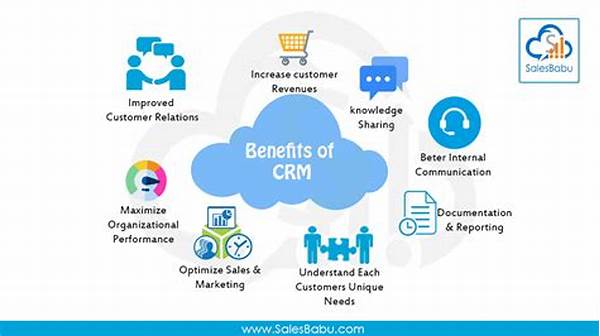

In today’s competitive market, businesses are always on the hunt for tools that can enhance their sales process. Enter CRM software—a powerhouse solution designed to optimize sales and improve customer relationships. This article not only informs you about the importance of CRM software but also promotes its many benefits and offers a comprehensive tutorial on harnessing its full potential. From enhancing efficiency to boosting profits, learn how to take your sales strategy to the next level with CRM software.
Why CRM Software Is Essential for Sales
CRM software is not a luxury; it’s a necessity for businesses aiming to stay ahead. The Benefits of CRM Software for Sales are multifaceted and impact every stage of the sales process. With the right CRM, sales teams can seamlessly track customer interactions, manage leads, and even automate marketing tasks, allowing them to focus on closing deals rather than administrative work.
The heart of CRM software lies in its ability to provide a centralized platform where sales information is easily accessible. This prevents miscommunications and ensures that all team members are on the same page. Moreover, CRM software offers analytics tools that enable businesses to understand trends and patterns in customer behavior. By having this data, companies can tailor their sales strategies to meet client needs, ultimately increasing conversion rates and customer satisfaction.
If you’re yet to invest in a CRM system, now is the time. Several CRM providers offer scalable solutions that cater to businesses of all sizes. The benefits are innumerable, ranging from increased efficiency and improved customer satisfaction to better sales forecasting. Choose a CRM that aligns with your business goals and watch as it drives your sales efforts forward.
Key Features of CRM Software for Sales
1. Lead Management: Enhance your ability to capture and nurture leads with CRM tools designed to streamline the sales funnel. The Benefits of CRM Software for Sales extend to improved lead prioritization and contact follow-up.
2. Sales Automation: Automate repetitive tasks, so your team can concentrate efforts on selling. Automation is one of the main features showcasing The Benefits of CRM Software for Sales.
3. Analytics and Reporting: Access detailed reports that offer insights into sales performance, helping refine strategies. The Benefits of CRM Software for Sales include superior data-driven decision-making.
4. Customer Segmentation: Tailor your sales approach by segmenting customers based on specific criteria. This personalization is a key advantage in The Benefits of CRM Software for Sales.
5. Integration: Easily integrate with other business tools to create a seamless workflow. The Benefits of CRM Software for Sales are maximized when integrated within your organizational systems.
Implementing CRM Software: A 4-Step Guide
Understanding The Benefits of CRM Software for Sales is one thing, but effectively implementing it requires careful planning and execution. Here’s a step-by-step tutorial to get you started:
1. Identify Your Needs: Start by evaluating what your business needs from a CRM. Is it lead tracking, customer engagement, or analytics? Knowing this will guide your selection process.
2. Select the Right CRM: With a plethora of options available, choose CRM software that best fits your organizational needs. Consider factors like scalability, features, and budget.
3. Training and Onboarding: Invest in thorough training for your staff to ensure that everyone can utilize the CRM to its full extent. The Benefits of CRM Software for Sales are fully realized when used proficiently.
4. Regular Review and Optimization: Continually review CRM performance and make necessary adjustments. Feedback loops can be essential for maximizing The Benefits of CRM Software for Sales.
Optimizing Sales Workflow with CRM
As businesses increasingly rely on CRM systems, understanding how to use these tools to their fullest potential is crucial. The Benefits of CRM Software for Sales extend into workflows by improving efficiency and transparency. By connecting all points of customer interaction, CRMs allow teams to work cohesively.
Imagine that your sales team is like a well-oiled machine. Each part plays a vital role, and a CRM system acts as lubricant, reducing friction and enhancing productivity. Sales reps can access customer histories and preferences with a few clicks, empowering them to adjust pitches and proposals accordingly. The outcome is a more personalized customer experience that often results in higher closing rates and enhanced loyalty.
CRM systems can significantly reduce customer acquisition costs by automating follow-ups and personalizing outreach efforts. The structured data storage capabilities ensure that customer information is readily available and reduces the risk of losing vital content like contracts and meeting notes. Plus, when it’s time to scale, the CRM grows with you, seamlessly integrating new data without causing operational hiccups.
Ensuring Successful CRM Adoption
The adoption process is crucial to realizing the full benefits of CRM software. Here’s how to ensure a successful transition:
1. Executive Buy-In: Secure commitment from top management as their support can accelerate the adoption process.
2. Employee Engagement: Address any resistance by highlighting the personal benefits and how it makes sales tasks easier.
3. Timeline: Having a clear timeline helps structure the onboarding process, guiding employees through each stage.
4. Feedback Mechanism: Allow room for feedback during implementation. This can lead to adjustments that better serve your team.
5. Celebrate Small Wins: Recognizing milestones and achievements encourages team members to engage with the new system.
Implementing CRM software doesn’t have to be overwhelming. With the right tools and an informed strategy, any business can enjoy The Benefits of CRM Software for Sales.
Leveraging CRM Features for Sales Success
CRM software brims with features that can propel your sales efforts. By diving into these capabilities, you can maximize your business potential in unprecedented ways. From lead nurturing and sales forecasting to detailed analytics and customer retention, the intricate functionalities of CRM software form the backbone of a robust sales operation.
Utilizing CRM software for sales goes beyond basic customer data management. It involves taking advantage of streamlined processes and automated systems that allow you to focus more on what truly matters—building strong customer relationships and closing deals.
Before long, you’ll notice a remarkable transformation in how you conduct sales, manage teams, and understand customer needs. Hence, if you are pondering about investing in a CRM system, reflect on how The Benefits of CRM Software for Sales can convert potential into performance.
The Future of CRM in Sales
With technology evolving at a breakneck speed, the role of CRM software in sales will only expand. Businesses can expect to see more AI integration, providing even more personalized customer interactions. The benefits will include predictive analytics, allowing sales managers to anticipate trends and demands accurately.
The Benefits of CRM Software for Sales also extend into areas like virtual assistive tools that automate routine tasks more efficiently than ever. As customer expectations continue to rise, CRMs offer innovative features that help businesses stay one step ahead. By embracing these changes, your sales team will not only deliver on customer expectations but exceed them time and again.
Final Thoughts on CRM Integration in Sales
Investing in CRM software is crucial for any business looking to streamline their sales process and maximize profitability. With numerous features that facilitate automation, data analysis, and personalized customer interaction, CRM systems stand as the linchpin of modern sales strategies.
Embracing The Benefits of CRM Software for Sales equips your business with the necessary tools to drive success and growth. By implementing these technologies, your sales team becomes more efficient, customer engagement soars, and business profits increase. As the sales landscape evolves, so too should your strategies—empower your business with CRM and watch it thrive.
In conclusion, The Benefits of CRM Software for Sales are far-reaching and instrumental in achieving business objectives. From understanding customer needs better to predictably increasing sales outcomes, CRM software is a powerful enabler of success. Whether a small startup or a large corporation, the right CRM system can transform your sales process for the better.