
In today’s fast-paced business landscape, leveraging advanced technology is key to staying ahead of the competition. Enterprise Resource Planning (ERP) systems offer a comprehensive solution for managing various business processes in one integrated system. From enhancing productivity to ensuring data accuracy, ERP systems are critical for businesses striving for excellence. Embark on the journey to transform your organizational processes with cutting-edge ERP solutions that promise streamlined operations and improved decision-making.
Understanding the Basics of Enterprise Resource Planning (ERP) Systems
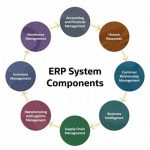
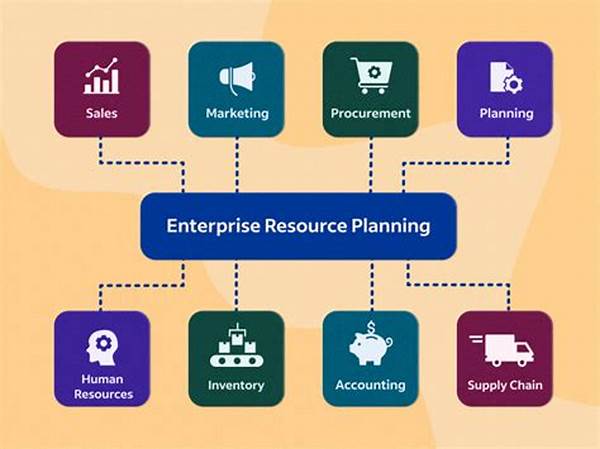
Enterprise Resource Planning (ERP) systems are software platforms that integrate multiple business functions like finance, HR, manufacturing, supply chain, services, procurement, and others into a unified package. They provide organizations with real-time data insights that empower them to make informed decisions. By centralizing data and facilitating seamless communication across departments, ERP systems help eliminate redundancy and improve efficiency. Whether you’re a small business or a large corporation, implementing an ERP system can revolutionize your operations by automating tasks, reducing errors, and offering a centralized view of business performance. Investing in an ERP system not only enhances operational efficiency but also offers a foundation for scalable growth and innovation.
Key Features of Enterprise Resource Planning (ERP) Systems
1. Centralized Data Management: ERP systems consolidate data from various departments, providing a single source of truth for all business operations. This ensures consistency and accuracy in data reporting and decision-making.
2. Enhanced Collaboration: By connecting diverse business processes, ERP systems facilitate better collaboration across teams, breaking down silos and fostering a more cohesive work environment.
3. Scalable Architecture: ERP solutions are designed to grow with your business. Whether you’re expanding into new markets or launching new products, an ERP system can scale to accommodate your changing needs.
4. Improved Reporting and Analytics: ERP systems come with robust reporting tools that enable businesses to extract insights and analyze performance effectively, helping in strategic planning and performance management.
5. Automated Workflow Processes: Automating routine tasks through ERP systems results in increased productivity, allowing employees to focus on higher-value work such as strategy and innovation.
The Benefits of Implementing Enterprise Resource Planning (ERP) Systems
Deciding to implement an Enterprise Resource Planning (ERP) system is a significant step toward optimizing business operations. Firstly, it streamlines processes by integrating diverse business functions into a cohesive whole, fostering improved efficiency and operational productivity. This integration mitigates errors by ensuring seamless data exchange and synchronized activities across departments.
Secondly, ERP systems enhance data accuracy and real-time access, crucial for informed decision-making. Instead of wading through disparate sources, management gains a consolidated view of key performance metrics, making forecasting and strategizing more precise. Moreover, the automation of mundane tasks reduces manual intervention, saving time and minimizing human error.
Additionally, Enterprise Resource Planning (ERP) systems empower businesses with scalability, adapting to growing needs without necessitating a complete overhaul. Whether expanding your company size or venturing into new markets, ERP systems adjust to accommodate your business evolution. They also bolster customer service by enhancing order tracking, inventory management, and after-sales services – ensuring client satisfaction and fostering loyalty.
Moreover, enhanced reporting capabilities provide powerful analytical tools to monitor business trends, analyze performance, and pinpoint improvement areas. Investing in ERP systems not only reaps immediate efficiency improvements but also positions your business for long-term growth, adaptability, and competitiveness in the global marketplace.
How to Choose the Right Enterprise Resource Planning (ERP) Systems for Your Business
When selecting an Enterprise Resource Planning (ERP) system, consider both the current and future needs of your business. Start by assessing the scalability of solutions; ensure your chosen ERP can grow alongside your organization. Integration capabilities are critical; your ERP system must effortlessly interact with existing tools and adapt to technological advancements.
Secondly, evaluate the user-friendliness of the system. A complex ERP can hinder employee productivity, so select a platform that offers intuitive interfaces and requires minimal training. Cost analysis is another fundamental step. Pay attention not only to the initial investment but also to ongoing maintenance and update fees.
Next, investigate the vendor’s reputation and support services. A partner with a proven track record and reliable customer service can provide continuous support and troubleshooting, ensuring smooth implementation. Finally, scalability, user experience, cost, and vendor support culminate in the ideal Enterprise Resource Planning (ERP) system tailored to propel your business operations forward.
Training Your Team on Enterprise Resource Planning (ERP) Systems
Once you’ve chosen an ERP system, training your team is paramount for maximizing its benefits. Begin by organizing comprehensive training sessions to acquaint employees with the system’s functionalities. Tailor the training programs to different departments, ensuring each unit comprehends how the ERP directly impacts its workflow.
Create a collaborative atmosphere where employees can share insights and feedback about the system’s usage. Continuous learning opportunities, such as regular webinars or workshops, can reinforce initial training, helping deepen understanding and ensure full utilization of the ERP system.
Additionally, develop a support network or appoint ERP champions within your organization. These individuals can provide day-to-day assistance, encourage adoption, solve minor system-related issues, and help bridge the gap between your team and the vendor’s support. Regular assessment and updates on ERP functionality ensure that the system evolves with your organization’s needs, maintaining optimum effectiveness.
Summary of Enterprise Resource Planning (ERP) Systems
Embracing Enterprise Resource Planning (ERP) systems is transformative and pivotal for modern businesses seeking to enhance efficiency and support growth. By integrating various business processes into a single platform, ERP systems eliminate operational silos and decentralize data management, offering a holistic view of the organization’s performance.
Implementing an ERP system catalyzes streamlined workflows, automates mundane tasks, and fosters real-time decision-making capabilities – all vital for staying competitive. The benefits extend beyond operational efficiency, promising scalability, improved customer service, and powerful analytical tools for precise business strategies.
For businesses considering this transition, selecting the right ERP system is crucial. A focus on comprehensive training guarantees that your team can leverage the system to its full potential, while ongoing support and system evolution ensure it continues to meet your organization’s dynamic needs.
Invest in Enterprise Resource Planning (ERP) systems today for a robust, future-ready business infrastructure that supports sustainable growth and technological integration. The transition may demand a significant investment and commitment but promises substantial returns in operational excellence and strategic agility.