
If you’re looking for a way to streamline your business operations, improve efficiency, and boost productivity, mastering ERP (Enterprise Resource Planning) systems could be the key to your success. In today’s fast-paced business environment, optimizing your use of technology is not just an advantage but a necessity. With ERP systems, businesses can consolidate operations, automate processes, and gain valuable insights into their performance. In this article, we’ll delve into a comprehensive guide to help you get started with ERP systems and unleash your business’s full potential.
Understanding the Importance of ERP Systems
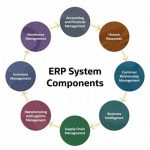
Enterprise Resource Planning systems are not just about managing data but about transforming it into actionable insights. With ERP systems, businesses have the power to integrate various functions such as finance, human resources, supply chain, and customer relations into one unified platform. Imagine being able to track your inventory levels in real-time, forecast demand accurately, and make data-driven decisions with ease. That’s the potential ERP systems bring to the table.
However, mastering ERP systems requires more than just implementing the software. It takes a strategic approach, thorough training, and a commitment to continuous improvement. Our Tips for Mastering ERP Systems will guide you through the process, from selecting the right ERP solution to maximizing its benefits for your organization.
Key Practices for Effective ERP Implementation
1. Choose the Right System: Select an ERP system that aligns with your company’s unique needs. Customizable solutions offer a great advantage for businesses looking to enhance particular areas.
2. Invest in Training: Ensure that your team is well-equipped with the knowledge and skills needed to navigate the ERP system effectively.
3. Continuous Evaluation: Periodically assess the performance of your ERP system to identify areas of improvement.
4. Customization: Tailor the ERP system to fit the specific workflows and processes of your business.
5. Data Management: Prioritize clean, accurate, and up-to-date data to maximize the effectiveness of your ERP system.
Overcoming Challenges in ERP System Implementation
Implementing an ERP system can be fraught with challenges ranging from resistance to change to issues with data migration. One of the most common pitfalls is underestimating the complexity of the implementation process. Businesses often rush into it without a clear plan, leading to disruptions and delays. Our guide to Tips for Mastering ERP Systems provides strategies to overcome these challenges, ensuring a smooth and successful implementation.
Investing time in understanding your current processes, setting realistic timelines, and engaging all stakeholders from the outset can make a significant difference. It’s crucial to anticipate potential hurdles and prepare for them proactively. By doing so, businesses can mitigate risks and ensure that their ERP system supports their long-term goals.
Optimizing Your ERP System for Maximum Efficiency
Once your ERP system is up and running, optimization should be your next focus. Regular audits can identify bottlenecks and areas of inefficiency within your system. Leverage the analytics capabilities of your ERP to gain insights into your operations and make informed decisions. With our tips, you can transform your ERP system into a powerful tool that not only supports your current operations but also scales with your business as it grows.
Conclusion: Unlocking the Full Potential of ERP Systems
Mastering ERP systems is about more than just software; it’s about transforming the way your business operates. By integrating various functions under one platform, businesses can eradicate inefficiencies and unknowns about their operations. Our extensive Tips for Mastering ERP Systems can act as a roadmap to help you not just implement an ERP system, but optimize it for long-term success.
From selecting the right system and training your team to overcome implementation hurdles and optimizing ongoing operations, mastering ERP systems requires dedication and strategic insight. The result is a more agile, informed, and efficient organization—equipped to compete and thrive in today’s competitive landscape.